

Olga Vysochynska
Head of Product
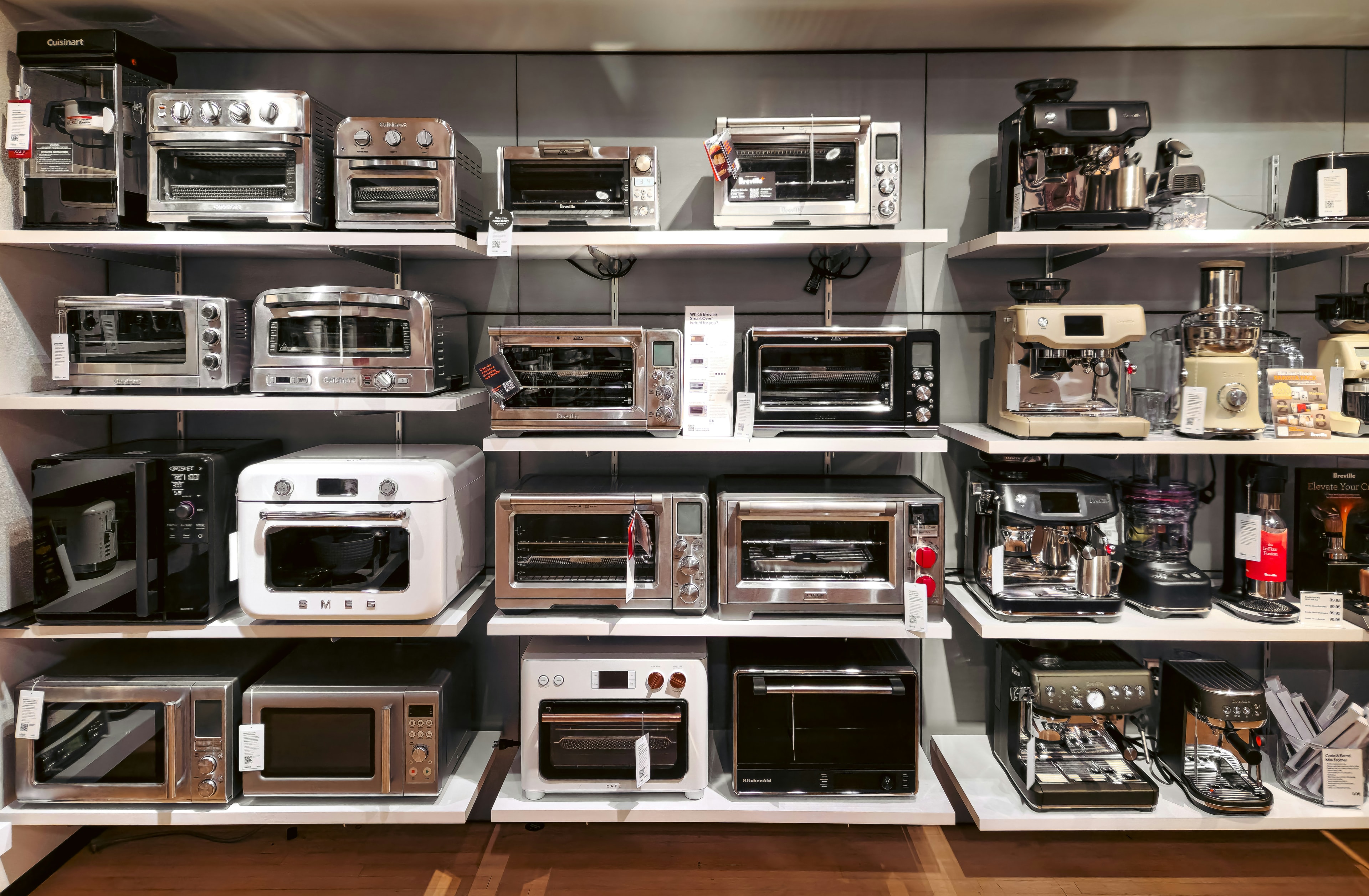
The client sells electronics and home appliances through an online store, a mobile app, a network of physical stores, and its own marketplace. The same product catalog serves all four channels, and the content for that catalog is produced by one internal team of category managers and editors.
New models arrive from suppliers several times a season, each with a different level of documentation behind it.
Before enrichment was automated, every card started as an empty template next to a supplier file that rarely matched it.
The content team repeated the same sequence on every complex product:
On a complex product card such as a large appliance or a laptop, this took about twenty-five minutes, and the greater part of that went into looking specifications up instead of producing content.
The cost of that research showed up across the catalog:
The retailer adopted HootCore AI Product Data Enrichment as a service layer over the catalog that keeps four sales channels running.
Instead of replacing the systems the business already runs on, they added enrichment to them and left the rest of the stack in place.
With enrichment in place, the business was able to:
This turned card production into a single flow:
Supplier feed → AI enrichment → editor review → published
Every value carries its source and a confidence score. Fields the system cannot verify stay empty.
The catalog kept its own structure throughout, and the same data model carries over if the business later takes on more of the platform, so starting with enrichment closes no doors.
The catalog team works inside its own structure, and enrichment fits into the points where the work used to stall.
Feeds arrive as CSV, XML, or an ERP export, and each supplier names and measures the same attribute differently. Incoming fields are matched to the retailer's own attribute structure automatically, so the category manager receives data in the shape the catalog already uses.
Specification values are pulled from manufacturer and supplier sources, not generated from the product name. The research that used to occupy most of a card's preparation happens before anyone opens it.
Editors confirm the high-confidence values in bulk and spend their attention on the gaps and the flags.
Titles, descriptions, and SEO fields are produced separately for each channel, language, and category, with brand voice rules applied across the catalog instead of card by card.
Product images are located by SKU or model name, cleaned up, and attached to the card, which removes a step the content team used to handle separately for every new model.
Enrichment runs over the catalog structure the retailer already used, so nothing in the surrounding systems was replaced.
The work on the retailer's side came down to two things: connecting the supplier feeds and agreeing which incoming fields map to which internal attribute.
Categories were connected one at a time, and the content team kept working in its usual order throughout.
Timings below come from the retailer's own measurements, comparing manual card preparation against enrichment with editor review.
See the same enrichment run on your own catalog: book a demo and bring a category with the specification sheets that take your team the longest.
"A complex product card took us about twenty-five minutes, and most of that was looking up specifications on manufacturer sites. Now we open the card already filled in and only check the values."
Category Manager, electronics retail, company under NDA
"AI writing a description was never the hard part. The question was whether we could trust the values that land in the specification fields. Every value comes with its source attached, and the team confirms rather than searches."
Head of Product Content, electronics retail, company under NDA
Specification research does not appear in a content plan, and it consumes the larger part of the time spent on the hardest cards in the catalog.
Moving that work to AI enrichment with editor review brought complex card preparation from twenty-five minutes to nine. The cards now arrive assembled, and the editors decide what to trust.
For retailers selling into the EU, that record matters beyond the working day. As Digital Product Passport requirements reach more categories through 2030, a catalog that can show where each value came from is in a different position from one that cannot.
Send a supplier feed and see what comes back filled, sourced, and scored: request a demo catalog.

Talk to our team and see how HootCore fits into your existing stack, from product data management to order fulfillment.